
VidaBay Inspired by IKEA-Style Home Furnishing Environments
Most online shopping decisions don’t fail because of the product itself — they fail because of uncertainty.
A customer scrolls, pauses, compares, and still wonders: Will this actually work in my space?
That small moment of doubt is where conversion is often lost.
VidaBay approaches this challenge with a different mindset. Instead of presenting products in isolated studio conditions, it places them inside real home furnishing environments inspired by IKEA-style living concepts. These are not decorative sets—they are practical, familiar spaces designed to reflect how people actually live.
The intention is simple: reduce imagination, increase understanding.
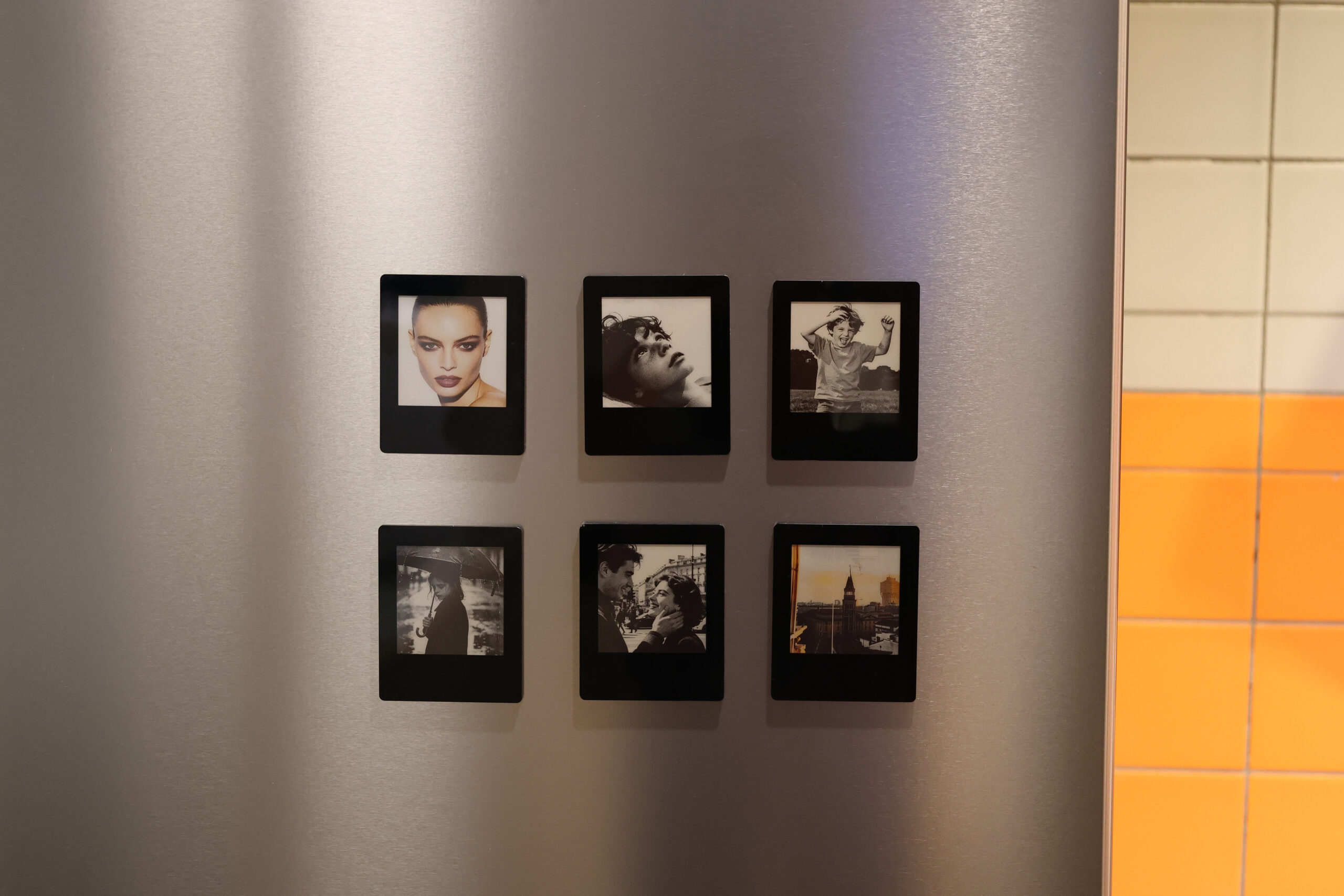
This becomes especially important for VidaBay’s product ecosystem, including modern NFC-enabled E-Ink display solutions such as VidaBay Snap. These products are designed for real home surfaces, where context and placement directly affect how users experience them in daily life.
From Display to Context: A Shift in Visual Thinking
Traditional e-commerce photography mostly relies on controlled presentation—clean backgrounds, centered products, and perfect lighting. While visually appealing, this approach removes one critical element: context.
Without context, a product becomes harder to evaluate in real-world terms. Customers may understand size on paper but still struggle to visualize how it behaves inside a home environment.
VidaBay’s approach changes this entirely. Products are placed inside functional interiors where scale, placement, and usage become immediately visible. A kitchen tool appears in a working kitchen. A décor item sits within a living space that feels naturally used rather than artificially staged.
In many cases, it’s not the product that confuses customers — it’s the absence of context around it.
This becomes even more relevant for digital home products like VidaBay Snap, where an E-Ink display is designed to integrate into real surfaces such as refrigerators, walls, or metal boards. Without environmental context, the practical use of such products is harder to communicate visually.
The IKEA Influence: Practical Design Over Visual Excess
The inspiration drawn from IKEA is not about imitation—it is about design thinking.
IKEA has long demonstrated that functional environments help people understapresentations.They belong in real life. Their room setups are not overly styled; instead, they are structured to feel usable, familiar, and achievable.
VidaBay follows a similar principle.
Each environment is intentionally balanced. Decorative elements support the scene without competing for attention. The objective is not to create a showroom effect but to create clarity.
This creates a visual system where the product remains central but never isolated. It feels integrated into a functioning home rather than presented as a standalone object.
Behind the Scenes: Building Believable Living Spaces
Creating these environments requires more than styling—it requires spatial understanding and real-life observation.
Each scene begins with a simple question: what kind of real space would naturally contain this product?
From there, the environment is shaped around function rather than decoration. A kitchen setup prioritizes usability. A living room focuses on comfort and flow. A workspace highlights structure and simplicity.
Lighting plays a critical role. Instead of artificial perfection, the focus is realism—soft shadows, natural light falloff, and subtle imperfections that mirror real homes.
Even micro-details matter: spacing between objects, background balance, and visual rhythm. These elements quietly influence how a product is perceived at first glance.
Once the environment feels believable, VidaBay products are integrated naturally into the scene—not as focal points, but as part of everyday life.
For NFC-based E-Ink products like VidaBay Snap, this step is especially important. These devices are meant to blend into real surfaces, and their value is best understood when shown in authentic domestic contexts.
Why Context Changes Customer Decision-Making
When a product is shown in isolation, the customer must mentally reconstruct its environment. That extra cognitive effort creates hesitation.
In a real home furnishing environment, that effort disappears.
Customers can immediately understand:
- how much physical space the product occupies
- whether it feels visually minimal or dominant
- how it interacts with surrounding furniture
- whether it fits their interior style
For products like VidaBay Snap, this clarity is essential. Seeing an E-Ink NFC display on a refrigerator or in a kitchen setting makes its function instantly understandable without explanation.
This reduces uncertainty at the exact point where decisions are made—and when uncertainty drops, confidence increases naturally.
VidaBay’s Visual Strategy: Where Hardware Meets Lifestyle
There is a clear shift happening in modern e-commerce—from product display to experience communication.
VidaBay’s approach reflects this shift through restraint rather than exaggeration. Instead of forcing attention onto the product, the environment is designed to support understanding.
The visuals do not try to sell aggressively. They demonstrate functionality in a quiet, contextual way.
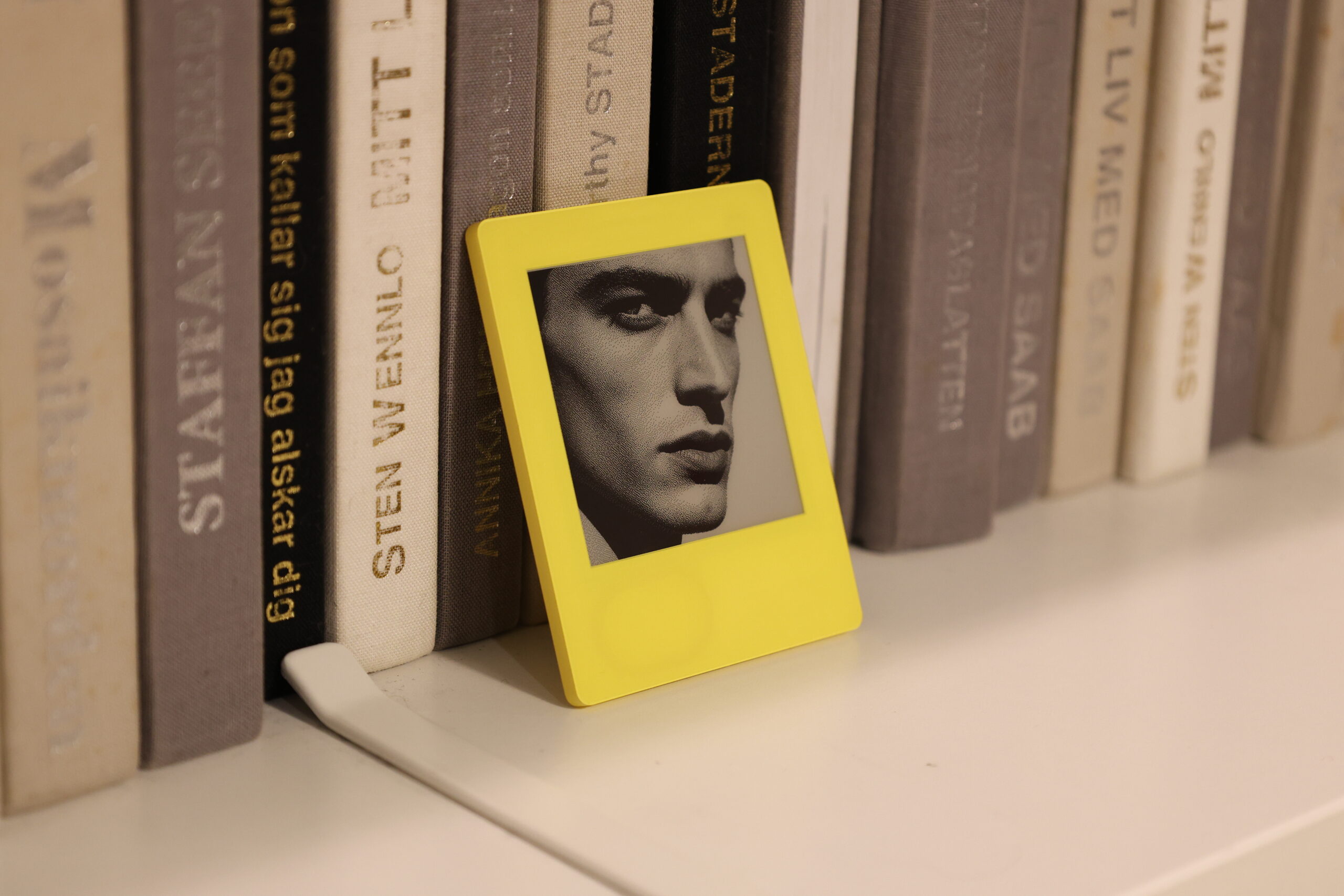
This is particularly important for hybrid physical-digital products like NFC-enabled E-Ink displays, where the value lies in interaction, not just appearance.
By placing these products inside realistic home environments, VidaBay connects technology with lifestyle—making innovation feel practical rather than abstract.
Over time, this consistency builds recognition. VidaBay becomes associated with clarity, realism, and thoughtful product integration rather than traditional product imagery.
Conclusion
VidaBay’s IKEA-inspired home furnishing environments represent a grounded and modern approach to product visualization.
By combining real-world context with NFC and E-Ink product experiences, the brand moves beyond static presentation and into functional storytelling.
Products are no longer just shown—they are placed within life.
This shift reduces uncertainty, improves understanding, and strengthens customer confidence.
In today’s e-commerce landscape, customers don’t simply buy products. They buy clarity about how those products fit into their lives. VidaBay helps deliver that clarity through realistic, context-driven presentations.