
NFC Weak & Can't Transfer Photos After Drop: Causes & Fixes
1. The Essence of NFC Operation
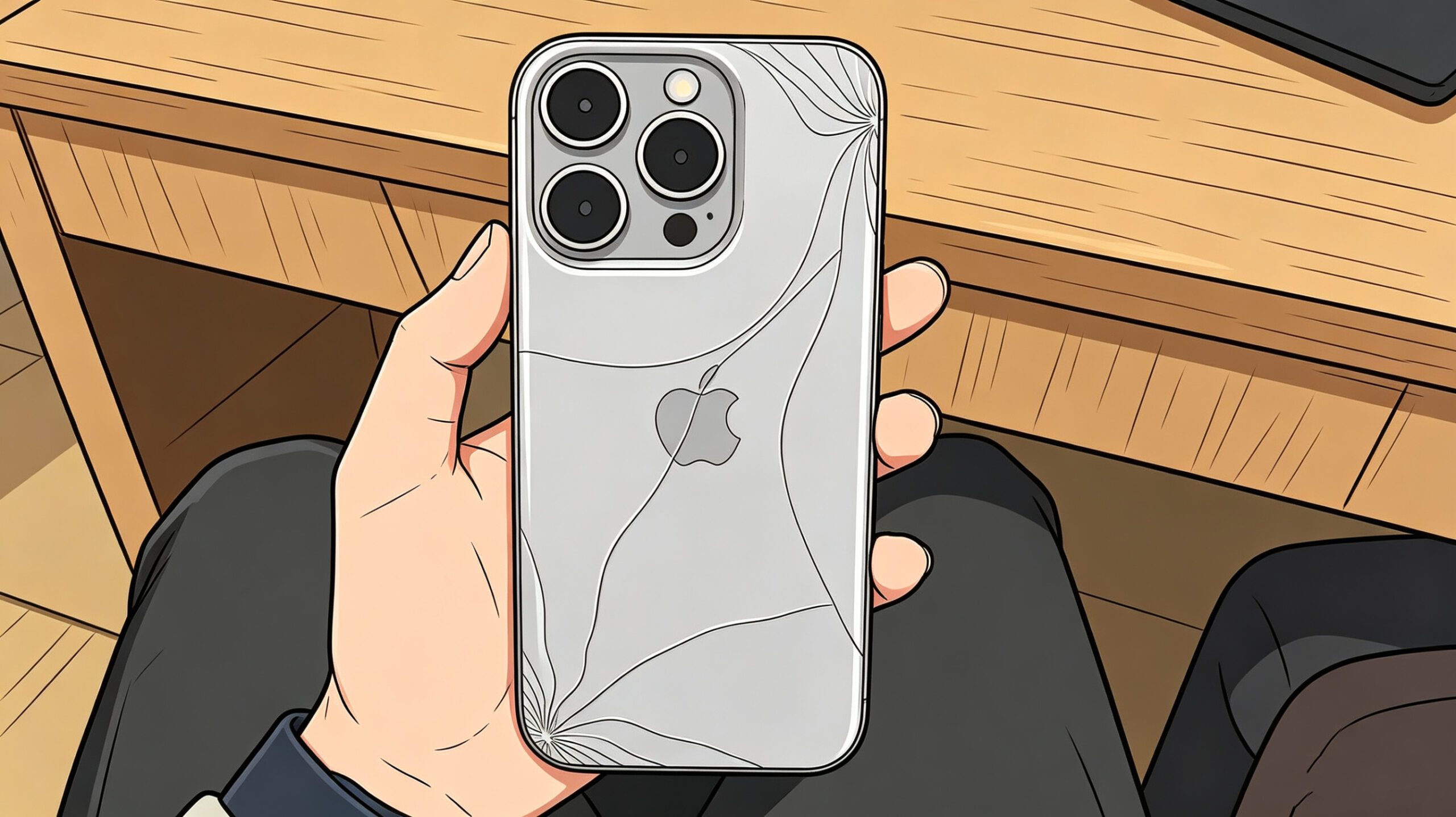
2. What Exactly Gets Damaged When You Drop Your Phone?
By far the most common: Slight displacement or deformation of the NFC copper coil The NFC coil is usually attached to the inside of the back cover or the surface of the battery. When the phone is dropped, the impact will knock this thin copper coil crooked, lifted, or out of position. Once the coil is crooked, the magnetic fields will not align when your phone is close to an e-ink screen fridge magnet with NFC, the coupling efficiency plummets directly, and the NFC sensing distance becomes significantly shorter and the signal weaker.
Loose solder joints or flex cable connections of the coil
The coil is connected to the NFC chip on the motherboard via ultra-fine solder joints and a soft flex cable. The vibration from a drop can easily cause virtual connection or poor contact, which is equivalent to the circuit being on and off intermittently, so the function becomes strong and weak randomly.
Body deformation amplifies the shielding effect
Most modern phones have metal or titanium alloy casings, which themselves will shield the NFC magnetic field. The coil position is precisely adjusted at the factory to offset the shielding; a drop causes slight body deformation plus coil displacement, the metal shielding effect directly doubles, and the signal becomes weak immediately.
3. Why Can You Still Swipe Cards Barely, But Can't Transfer Photos?
- Swiping buses, access control: It is extremely small data and has very low requirements. Even if the NFC signal is very weak, it can barely be sensed.
- Transferring photos and files: It is large-capacity high-speed data transmission, which has very high requirements for NFC magnetic field strength and connection stability.
Summary
This is physical hardware damage. No amount of software settings can fix it. You can only restore the original strength by disassembling the phone, repositioning and fixing the coil.
- Cost: $40–$60
- Time: 10–30 minutes
- Repair effect: Fully restores original NFC strength, allowing normal close-range photo and file transfers.
- The cheapest fix, can be done in seconds.
- Replacement parts are low-cost ($3–$15) and widely available for most phone models.
- Total cost: $60–$100, and it will be fully restored after repair.